
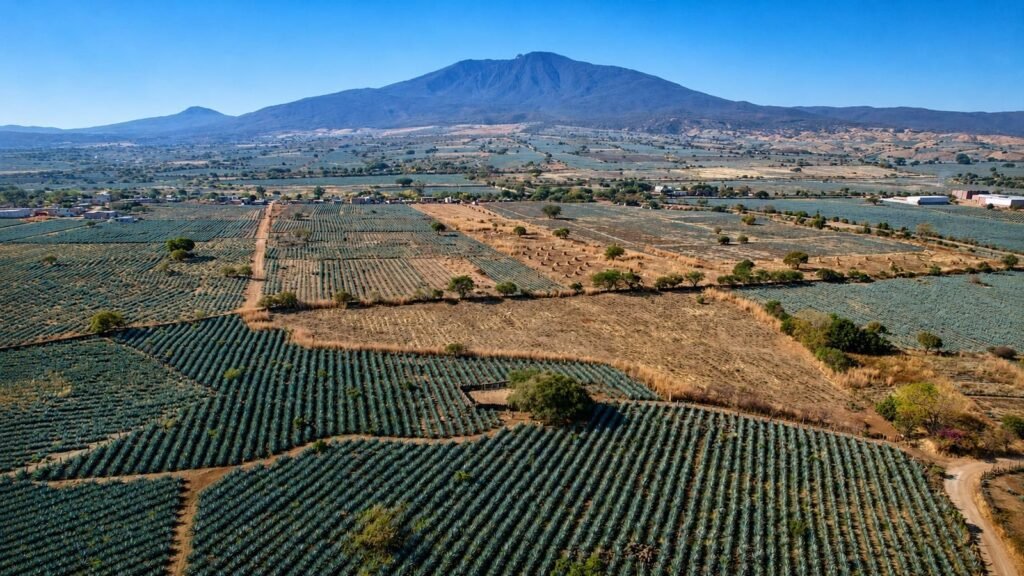
What is Joven tequila? Also called Oro or Gold, it is a class defined by Mexico’s tequila standard. Under Mexico’s tequila standard, it can be produced by blending Blanco tequila with aged tequila, or by combining Blanco with permitted ingredients through a process called abocamiento. Gold color alone cannot tell you which path the producer used, how long any component spent in a barrel, or whether the finished tequila is good.
These label terms describe different things. “Joven” names a class, “100% agave” names a category, and a golden appearance is a visual characteristic. In DOC Agave’s Tequila Masterclass, Chef Marcus Guiliano approaches these differences as questions of production and transparency rather than shortcuts for judging a bottle.
Key Takeaway: When you see Joven or Gold tequila, distinguish its legal class from its production method. A blend with aged tequila and a Blanco tequila treated through permitted abocamiento can both be Joven. Read the class and category on the label, then look for credible producer details rather than assuming that gold color proves barrel aging, additives, or quality.
What is Joven tequila and how is it made?
What is Joven tequila? It is the Mexican class also called Oro or Gold, and there is more than one legal way to make it. Mexico’s NOM-006-SCFI-2012 tequila standard defines it in section 4.36.2, and the government’s standards registry lists that rule as in force. The standard also allows the English term “Gold” to be used for Joven/Oro in international labeling.
The phrase joven tequila means “young tequila,” but the legal class can include aged tequila. Oro means “gold,” yet the name does not prove the color came from oak. To understand what Joven tequila means, look at the production details rather than the name alone.
The two paths explain why Joven bottles can differ. Both are permitted, but they are not the same technique.
The two official production paths for Joven or Oro
Path 1 — Blanco blended with aged tequila
A producer can combine Blanco with Reposado, Añejo, or Extra Añejo tequila. The aged component has spent time in oak under the rules for its own class, and the finished blend is classified as Joven/Oro. The blend’s proportions and flavor depend on the producer. The name Joven does not tell you how much aged tequila a bottle contains.
Aged components can add oak character to a Joven blend. That does not guarantee quality or a set flavor profile. The producer’s description provides more context than the color alone.
Path 2 — Blanco with permitted abocamiento
The standard also defines Joven/Oro made by combining Blanco with certain permitted ingredients in a process called abocamiento, often translated as mellowing. Its approved ingredient categories include caramel coloring, natural oak or holm-oak extract, glycerin, and sugar-based syrup under the rule’s specifications. This is a lawful production route, not proof that a spirit is counterfeit or that every Joven uses the same treatment.
Those ingredients can influence appearance, texture, aroma, or perceived sweetness, depending on what was used. But neither an amber color nor a smooth sensation tells you the exact ingredients or their amounts. A clear explanation separates what Mexico permits from what a producer says it used.
The two routes matter. Joven tequila may be Blanco blended with aged tequila or Blanco treated through permitted abocamiento. So, what is gold tequila in practice? It is the Joven/Oro class, not one fixed recipe or barrel-age guarantee.
Does gold tequila have to be aged?
No. The color of tequila does not prove that the finished spirit aged in a barrel. A Joven may contain aged tequila or gain color from caramel coloring allowed by the standard. Color by itself cannot separate those routes.
Other tequila classes have minimum aging rules. Reposado requires at least two months of maturation in specified oak containers, while Añejo requires at least one year. These time-in-wood rules apply to those classes, not to every bottle labeled Joven.
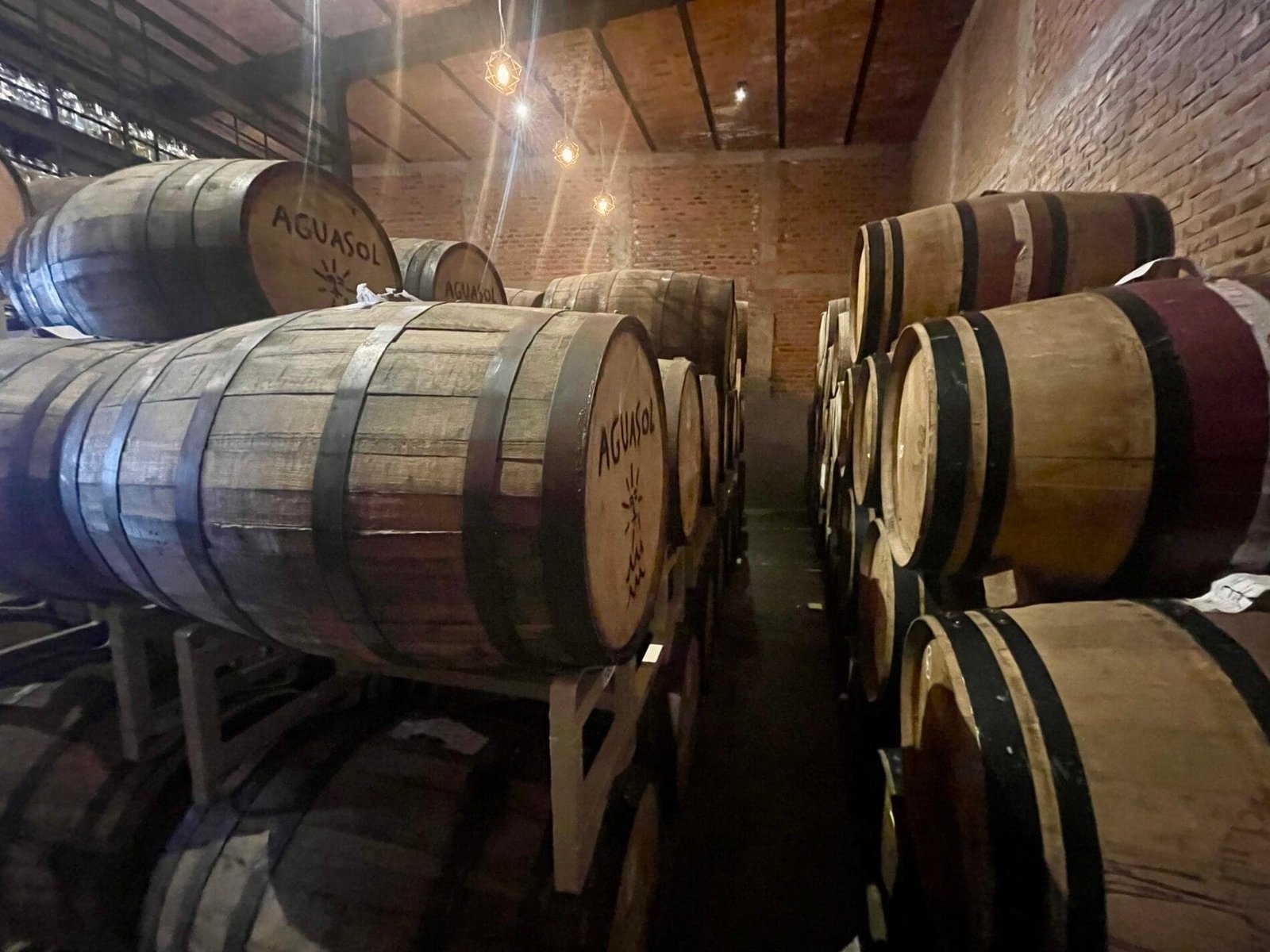
Barrels show why maturation and color are not the same. Wood contact can change color and flavor, but a photo of barrels cannot reveal the recipe of a particular Joven. Our guide to how tequila barrel aging works explains the process and the distinctions between age classes.
A pale tequila may still have touched oak. Mexico permits Blanco to mature for less than two months under specified conditions. Check the class and producer information instead of guessing its age from color.
Joven tequila vs Blanco and Reposado
Blanco, Joven and Reposado are separate classes, though some production steps overlap. Blanco is the starting point for both Joven production routes described above. Reposado has a minimum aging period. A Joven does not promise that every component spent that long in oak.
Understanding that distinction also prevents a common labeling mistake. A blend of Blanco and aged tequila can be a Joven. That does not make the whole blend Reposado. Nor can you assign it the age of the oldest ingredient. Its class follows the blending rules.
In a gold tequila vs silver tequila comparison, begin with the class. Gold is used for Joven/Oro, while Silver is used for Blanco. Neither color name proves quality or tells the whole production story. For a broader distinction between legal tequila identity and personal judgments about production, see what legally makes tequila real.
Does Joven mean 100% agave?
Not necessarily. Mexico has two categories, “Tequila 100% de agave” and “Tequila.” Both include Joven/Oro. The class name alone cannot tell you which sugars were fermented.
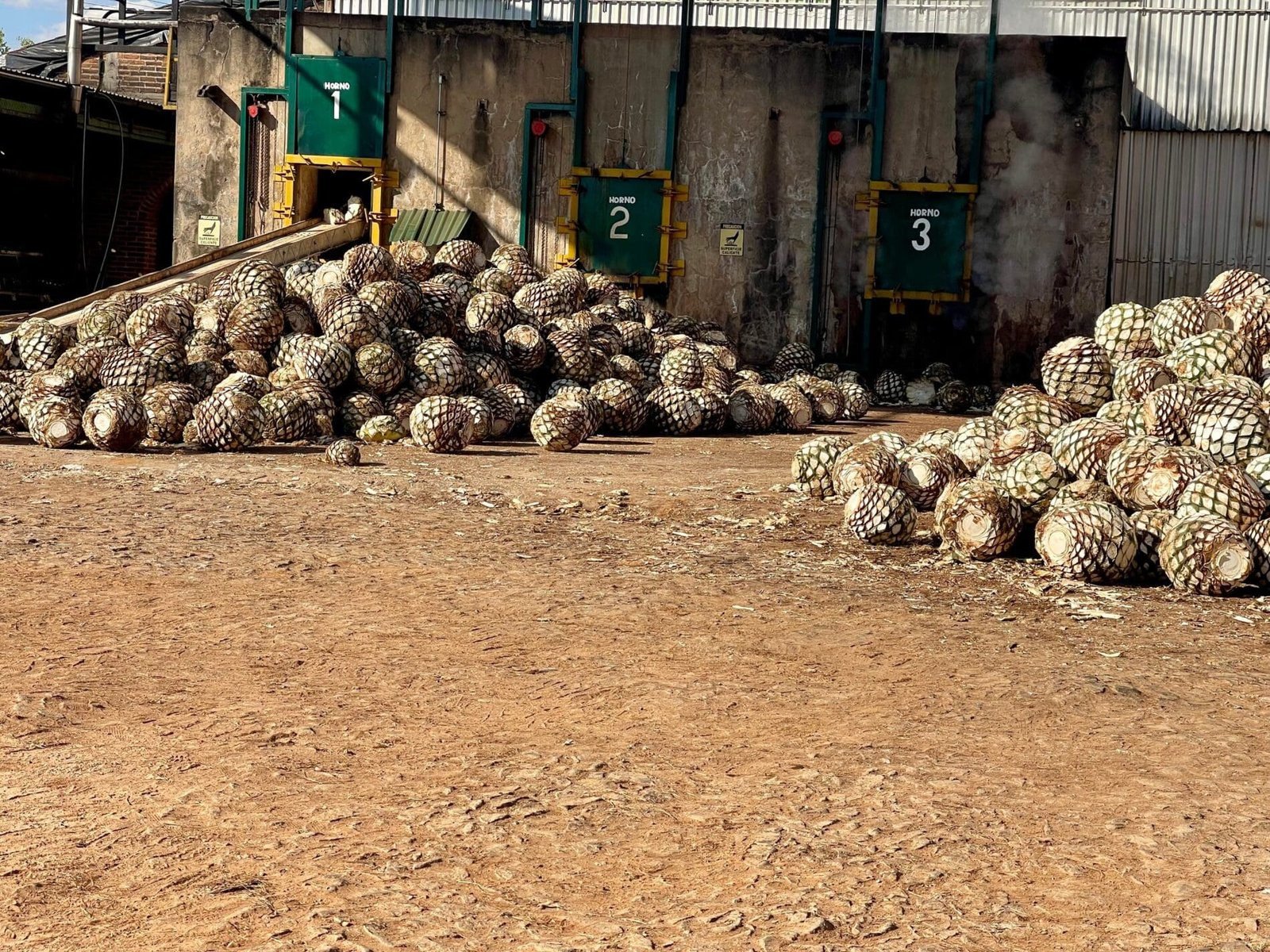
In the 100% agave category, the sugars must come from blue Weber agave within the rule’s production requirements. The other tequila category allows some sugars from other sources during fermentation. Sugar sources are a different question from blending or abocamiento after distillation.
When reading a bottle, treat the class and category as two different pieces of information. Blue Weber agave is central to tequila production, but the word Joven is not a substitute for checking the actual category designation. Likewise, a 100% agave declaration does not by itself reveal whether a Joven was blended with an aged component.
How to read a Joven tequila label
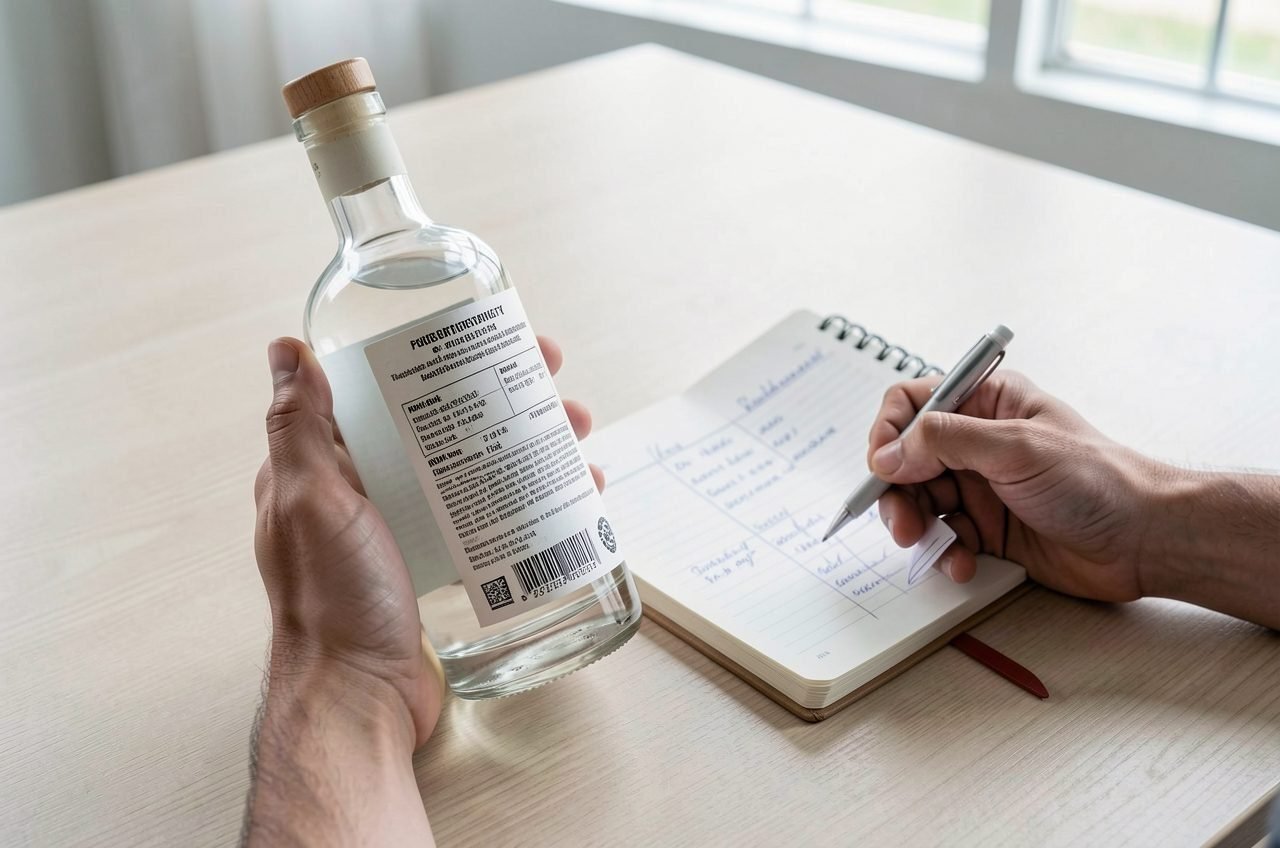
Reading a Joven tequila label starts with separating what the bottle shows from what it can prove. This reference explains why a class name, color and NOM number answer different questions.
| Visible signal | What it can support | What it does not prove |
|---|---|---|
| Joven, Oro, or Gold | The stated regulated tequila class | A specific blend ratio, barrel age, or complete recipe |
| Golden color | The tequila has a visible color | That aging rather than an authorized treatment created it |
| 100% agave declaration | The stated production category | Which Joven production path was used |
| NOM identification | A route to identify the authorized producer or facility | That a particular expression has no additives or is superior |
A NOM number can help you investigate a producer, but it is not a chemical analysis or a complete recipe. Other label details, such as class, category, producer information, and alcohol content, have their own roles. DOC Agave’s tequila label and NOM number guide provides a practical next reading step.
If the producer has not shared a detail, say “not confirmed.” Permission to use an ingredient is not proof that the producer used it. Its absence from the front label is not proof that the producer avoided it.
Can Joven tequila taste different from one producer to another?
Yes. The class permits more than one method, so it cannot predict a single flavor. A blend containing aged components may show notes associated with wood, while permitted adjustments can influence sweetness, body, aroma, or appearance. These are possibilities, not guarantees about a product.
In Chef Marcus Guiliano’s Tequila Masterclass, the discussion of Joven sits alongside Blanco and the aged classes because production context matters when interpreting flavor. This is where I prefer to separate teaching from tasting claims. A useful learning framework can explain why flavor may vary without pretending that the legal class predicts a particular brand’s result.
Flavor depends on more than the class. Agave maturity, cooking, extraction, fermentation, distillation, blending, aging and allowed treatments may all shape flavor. Color alone cannot reveal these choices. DOC Agave also explains how diffuser and traditional tequila production methods differ from the question of a tequila’s legal class.
Is Joven Gold Tequila worth buying?
The original question is better understood as whether the class gives an adult reader enough information to evaluate a tequila intelligently. Joven can describe genuinely different approaches, so neither a blanket endorsement nor a blanket dismissal follows from the label. Begin with the class and what the producer shares, not a ranking based on color.
For a useful Joven tequila comparison, ask three questions.
- Does the label clearly identify the tequila category and class?
- Does the producer explain the blending or finishing method?
- Is each production claim backed by evidence rather than marketing language?
These checks help hospitality professionals and learners compare Joven without guessing the recipe or assuming one production route is better.
A gold color can suggest aging even when the tequila did not age. A Blanco label does not tell the whole production story, either. Begin with the class, then consult producer details and the tequila standard.
What DOC Agave wants readers to understand
In the Masterclass, I emphasize that tequila labels need context. Joven is a useful example because an official name, an amber color, and a production method can all become confused in a single sentence. Teaching those distinctions gives readers a more reliable way to understand a complicated category.
Joven tequila is a class, not a recipe. The lesson is not to distrust every gold tequila or assume that every blend is special. Ask specific questions and recognize what the label cannot tell you. Learning how to read a tequila label and NOM number is a practical next step for anyone studying tequila categories, classes, and production transparency.
For the regulatory basis behind these explanations, consult Mexico’s published tequila standard and the Tequila Regulatory Council’s educational overview. These are the sources for legal requirements. DOC Agave explains the terms but does not replace the standard.