
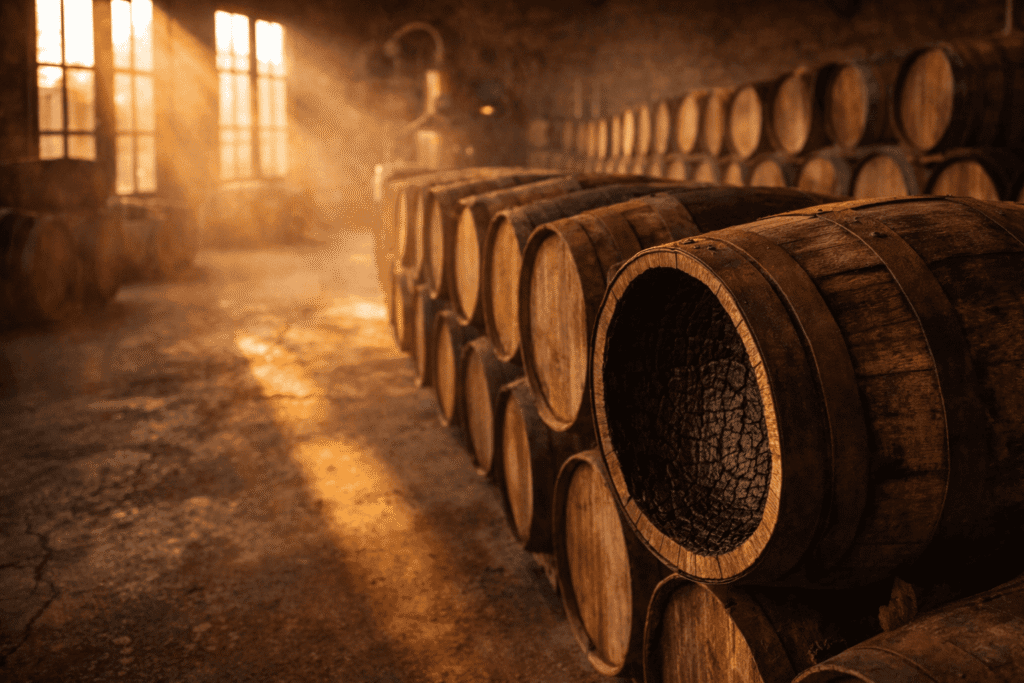
What is Cristalino tequila? It is tequila that spends time in oak and is then filtered to remove much of its barrel color. The result can look clear or nearly clear, much like Blanco. Yet that clear appearance may come after months or years of aging. The color changes, but the time spent in the barrel still matters.
One point matters from the start. Cristalino is not a separate legal tequila class. Mexico’s standard sets the tequila class based on production and aging rules. Cristalino is a market term for a style shaped by filtration after aging. A clear color does not change the class.
Key Takeaway: Cristalino is a filtered tequila style, not a sixth official class. Producers may age the tequila and then filter out much of its color. Clear does not mean unaged or Blanco. Filtration may also change aroma, flavor, or texture, but the effect depends on the producer’s method.
What is Cristalino tequila and how is it made?
Producers generally make Cristalino by filtering aged tequila to reduce the color it picked up from oak. The starting class and method can vary. Mexico’s tequila rules do not give Cristalino its own recipe, so the name alone cannot tell you exactly how a producer made it.
Like all tequila, Cristalino begins with Blue Weber agave. Producers ferment and distill the agave, then age the spirit according to its class. This guide explains how tequila aging changes the spirit before the producer filters it.
After aging, the producer filters the tequila. DOC Agave’s Tequila Masterclass mentions charcoal as one option, but not every Cristalino uses the same process. Producers can choose different filters, timing, and levels of filtration. The word on the label cannot tell you everything that happened between the barrel and the bottle.
Filtration does more than change what you see. A filter that removes color may also remove or change other compounds. As a result, the tequila may smell, taste, or feel different after filtration. How much it changes depends on the method and the spirit that went into the filter.
Why can Cristalino be clear after aging?
Oak can add color, aroma, and flavor while tequila ages. The result depends on the barrel and how long the spirit stays in contact with wood. Some barrels leave a stronger mark than others. Color shows only one part of that effect.
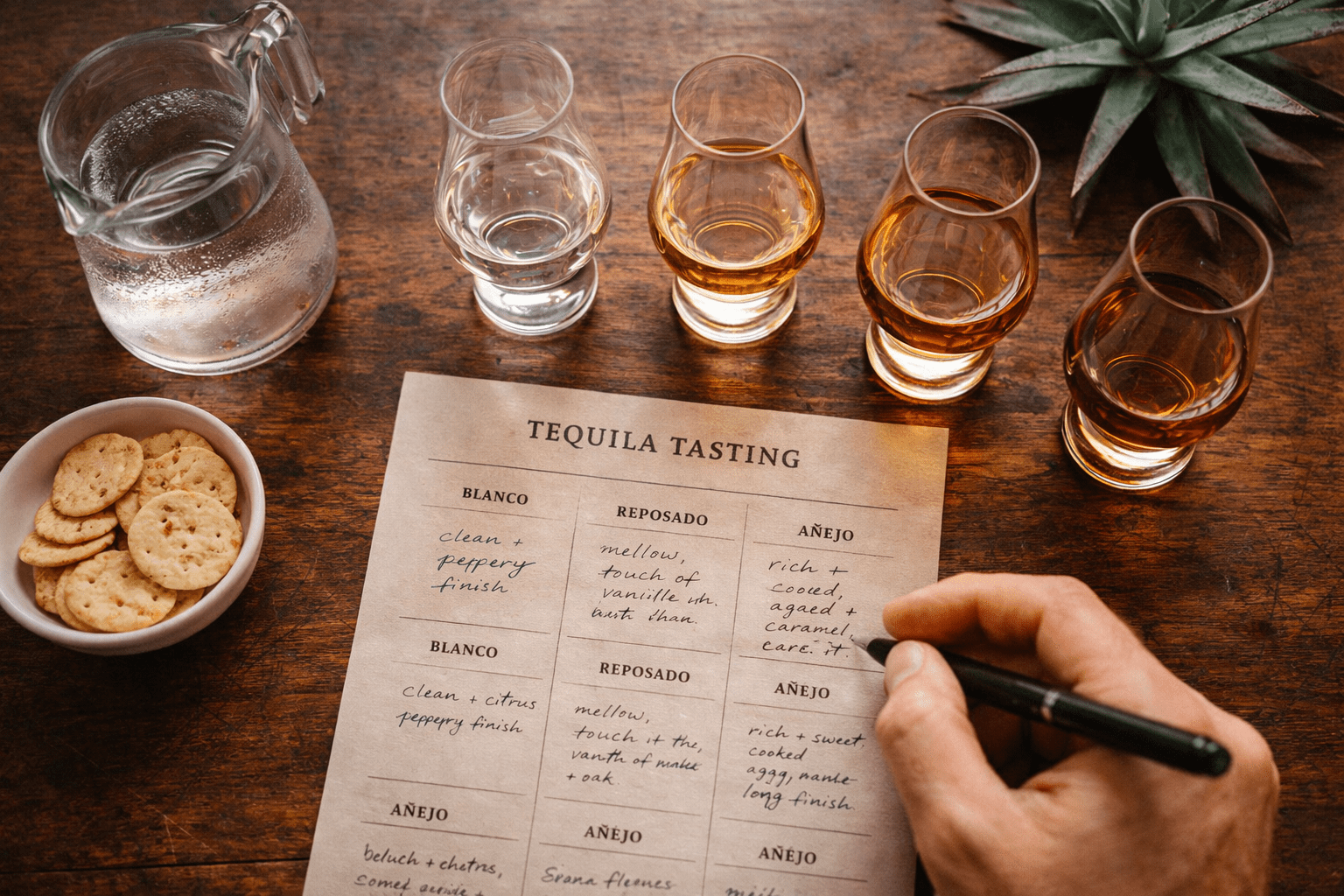
Filtration can remove much of the color after aging. That is why a Cristalino can look clear even when the tequila has spent a long time in oak. The filter does not undo the aging process. It also does not turn aged tequila into Blanco.
Color alone tells you little about a tequila’s age or quality. Pale does not always mean young, and dark does not always mean older or better. Aging time, barrel history, filtering, and other permitted production choices can affect the color. You need more than a glance at the glass to understand the spirit.
Is Cristalino an official tequila class?
No. Under the current NOM-006-SCFI-2012 tequila standard, the official classes are Blanco or Plata, Joven or Oro, Reposado, Añejo, and Extra Añejo. Cristalino is not listed as a sixth class.
The Consejo Regulador del Tequila describes tequila classes separately from later steps such as filtration and bottling. This helps explain the difference between a class and a style. A tequila keeps its regulated class. The term “Cristalino” tells you that the producer has chosen a filtered presentation.
| Term | Official class under NOM-006 | What it tells you |
|---|---|---|
| Reposado | Yes | The tequila has been matured in oak for at least two months. |
| Añejo | Yes | The tequila has been aged for at least one year under the requirements for the class. |
| Extra Añejo | Yes | The tequila has been aged for at least three years under the requirements for the class. |
| Cristalino | No | It signals a clear or lighter style, not a single aging class or filtration method. |
Knowing the difference can help you read tequila labels and NOM numbers. A NOM number points to the certified producer. The regulated class tells you about how the tequila fits Mexico’s rules. Cristalino adds context about filtering, but it does not replace either piece of information.
Cristalino tequila vs blanco
Cristalino and Blanco may look the same in a glass, but they take different paths. Blanco is an official tequila class with little or no influence from oak aging. Cristalino is a style usually made by aging tequila first, then filtering it until much of the barrel color disappears.
The key difference between Cristalino and Blanco is not just color. It is when the tequila becomes clear. Blanco is made with little or no aging in oak. Cristalino usually begins as an aged tequila and turns clear after filtration.
This does not mean every Cristalino has more flavor than every Blanco. Blanco may show strong agave, citrus, pepper, or herbal notes, as well as signs of how it was fermented. A Cristalino may keep some barrel flavors or lose part of them. The result depends on how the producer filters and finishes it.
Cristalino tequila vs añejo
Comparing Cristalino tequila vs Añejo takes more care because an Añejo may be the base of a Cristalino. Añejo is an official aging class, and many bottles keep their barrel color. A producer can filter an aged tequila afterward to create a Cristalino look. The added filtration step changes the presentation, not the time already spent in oak.
The difference is not simply young versus old. It is about aged tequila before and after filtration. A filter may remove color and change the balance between agave and barrel notes. How much it changes depends on the process, so the word Cristalino alone cannot predict the taste.
Neither style is automatically better or smoother. Those are matters of taste, not part of a legal definition. One Cristalino may keep more agave flavor than another, just as two Añejos can taste quite different.
What can filtration change in a Cristalino?
Color is the change you notice first. An aged tequila may go into the filter looking gold or amber and come out almost clear. The change in appearance is what makes the Cristalino style easy to spot.
Filtration may also change aroma, flavor, body, or finish. But no single result applies to every Cristalino. The starting tequila, the type of filter, how long filtration takes, and how often the liquid passes through can all make a difference. The producer’s other choices matter too.
For me, the question is not whether clear tequila is better. It is whether the agave still comes through. Can you find notes from the agave, fermentation, and barrel, or has the filtering muted one of them? Those questions help us look past appearance and focus on what is in the glass.
This is a way to think about flavor, not a legal test. Mexico’s rules tell us how tequila is classified. Tasting helps us notice how a producer’s choices shape the final spirit.
Why did Cristalino become a tequila trend?
Cristalino offers an unusual look for aged tequila. The spirit can be clear even after time in an oak barrel. That contrast helps it stand out from the amber colors people often expect from aged spirits.
Two familiar ideas help explain the appeal. People often link Blanco to a clear look and agave flavor. They link Añejo and Extra Añejo to time in oak. Cristalino may look like Blanco while carrying an aging story. That does not mean it combines the legal classes. Its underlying class still comes from the same rules as other tequila.
Producers can use this style to show aged tequila in a different way. As more brands used the term Cristalino, it became familiar to many tequila drinkers. Its growing use did not change Mexico’s five official tequila classes.
Why is Cristalino tequila controversial?
The debate centers on what filtration removes and what the producer explains. Some people like the clear look of an aged tequila. Others ask why a producer would spend time aging tequila and then filter out part of its barrel color or flavor. The answer depends on the choices made before and after aging.
Neither reaction tells the whole story. Filtering does not always remove what makes tequila interesting, and clear color does not prove quality. Ask what tequila went into the filter, what changed, and whether agave and barrel flavors remain easy to notice.
The name “Cristalino” leaves questions unanswered. It does not reveal the aging class, the filter used, how much the producer removed, or how the process changed the spirit. Producers who explain these steps give readers more useful information than a clear color alone.
How should you read a Cristalino label?
Start with the regulated facts, then consider the marketing terms. A Cristalino label can offer clues about production, but the word alone does not explain the tequila beneath it. Read it alongside the class and producer details.
A practical reading order is simple.
- Look for the actual tequila class or aging information. Cristalino does not replace Reposado, Añejo, Extra Añejo, or another regulated classification.
- Check the NOM and producer identity. The NOM connects the bottle to its certified producer and gives you a better starting point for understanding where it came from.
- Look for production transparency. If the producer explains the starting tequila, aging, filtration, or finishing process, that information is more useful than the word Cristalino by itself.
- Treat color as appearance, not proof. Clear does not prove young, pure, additive-free, high quality, or low quality. It tells you what the tequila looks like after the producer’s process.
These steps help you see Cristalino for what it is. Filtering changes how the tequila looks and may change its flavor, but the official class still follows Mexico’s tequila rules.
The clearest way to understand Cristalino tequila
The Cristalino tequila meaning is simple. Producers take aged tequila and filter it to make the color much lighter or nearly clear. That does not create a new official class. The tequila still fits into Mexico’s regulated classification system, and Cristalino describes a later production choice.
Once you know the difference between class and style, the label becomes easier to read. Ask about the tequila’s class, aging, and filtration method. Then consider what the final flavor says about agave and wood. Those details tell you more than color alone.
If you want to go deeper into agave, production, aging, labeling, and the decisions that shape tequila from field to glass, continue with the DOC Agave Tequila Masterclass.