
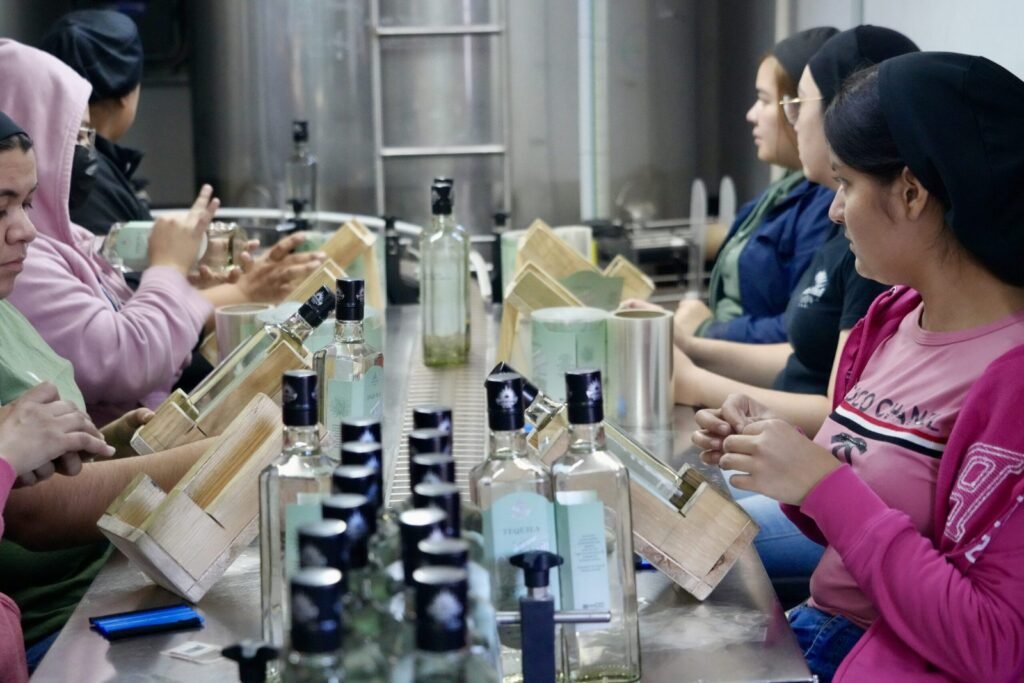
A tequila label can tell you where a spirit was made, how it is classified, and which producer is responsible for it. But one appealing phrase often raises more questions than it answers: single batch. It sounds precise. It suggests care, limited production, perhaps even better ingredients. The important question is whether the words actually tell you something verifiable.
For anyone trying to understand small batch tequila, that distinction matters. Batch size may describe a genuine production choice, but a label is not proof of a particular cooking method, additive policy, or level of craftsmanship. Before trusting the story on the bottle, learn what the producer can substantiate.
Key Takeaway: Single-batch and small-batch tequila are descriptive marketing or producer terms, not official tequila categories or aging classes under Mexico's NOM-006 standard. A required lot number helps identify bottled product, but it does not certify the size of a fermentation run or guarantee quality. Producers can give these phrases substance by disclosing what constitutes a batch, how production is recorded, whether batches are blended, and which ingredients and methods are used. For an informed assessment, verify the official label details first, then ask specific questions about the actual process.
What Does Single-Batch Tequila Mean?
In ordinary production language, a batch is a defined quantity made or handled together under a producer’s process. A distillery might use the word for one cook, one fermentation vessel, one distillation run, or a particular blending or bottling lot. Those are not necessarily the same thing.
When a producer describes a tequila as single batch, the intended meaning may be that the expression comes from one identified production run instead of being assembled from several. Another producer may use the phrase to distinguish a limited release or simply to emphasize smaller-scale production. The claim has value only when the maker explains its boundaries.
There is a second meaning you should not confuse with that claim. Mexico’s NOM-006-SCFI-2012 tequila standard defines a lote as product bottled during a given period so it can be identified. Section 11.1 requires the bottle to bear a lot code. That mandatory identification is part of tequila traceability. It does not mean the contents originated from a single fermentation tank, a single distillation, or a single barrel.
That is the first truth about single-batch tequila: a bottling lot number and a single production batch answer different questions.
Is Small-Batch Tequila an Official Classification?
No. The official Mexican tequila classification distinguishes two categories, Tequila and Tequila 100% de Agave, and recognizes the classes Blanco, Joven, Reposado, Añejo, and Extra Añejo. “Small batch” and “single batch” do not appear on that list as regulated classes or quality grades.
That doesn’t automatically make the wording dishonest. A small producer may genuinely work with limited equipment and carefully documented runs. Another maker may be able to tell you exactly how many liters were produced and bottled. The problem begins when readers treat the phrase itself as independent certification.
The safest interpretation is simple. Small batch is a claim to investigate, not a quality mark to assume.
Single batch, small batch, single barrel, and single estate
| Phrase | What it usually suggests | What you still need to verify |
|---|---|---|
| Single batch tequila | Tequila associated with one defined production batch | How the producer defines the batch, and whether liquid from separate runs was combined |
| Small batch tequila | A limited production quantity | The actual size, comparison point, and whether the limit applies to cooking, fermentation, distillation, or bottling |
| Single barrel tequila | An aged expression taken from one barrel rather than a blend of barrels | The barrel identification, the age, and any subsequent handling |
| Single estate tequila | A sourcing story tied to a particular estate or agave-growing area | The exact land, agave provenance, and scope of the producer’s claim |
| Lot or batch code on the label | Traceability of the bottled product | The producer’s records and what the code represents |
These terms can overlap in a producer’s story, but they are not interchangeable. A tequila may come from one bottling lot after multiple fermentations were blended. A single-barrel release might have been distilled in a comparatively large production run. A specific estate can supply agave for more than one fermentation batch.
The Tequila Label Is Your Starting Point
A thoughtful label check starts with facts governed by tequila’s official standard, not with the largest marketing words. According to the Consejo Regulador del Tequila, the authentication elements include the category, class, producer, NOM producer registration, origin, alcoholic strength, and lot identification.
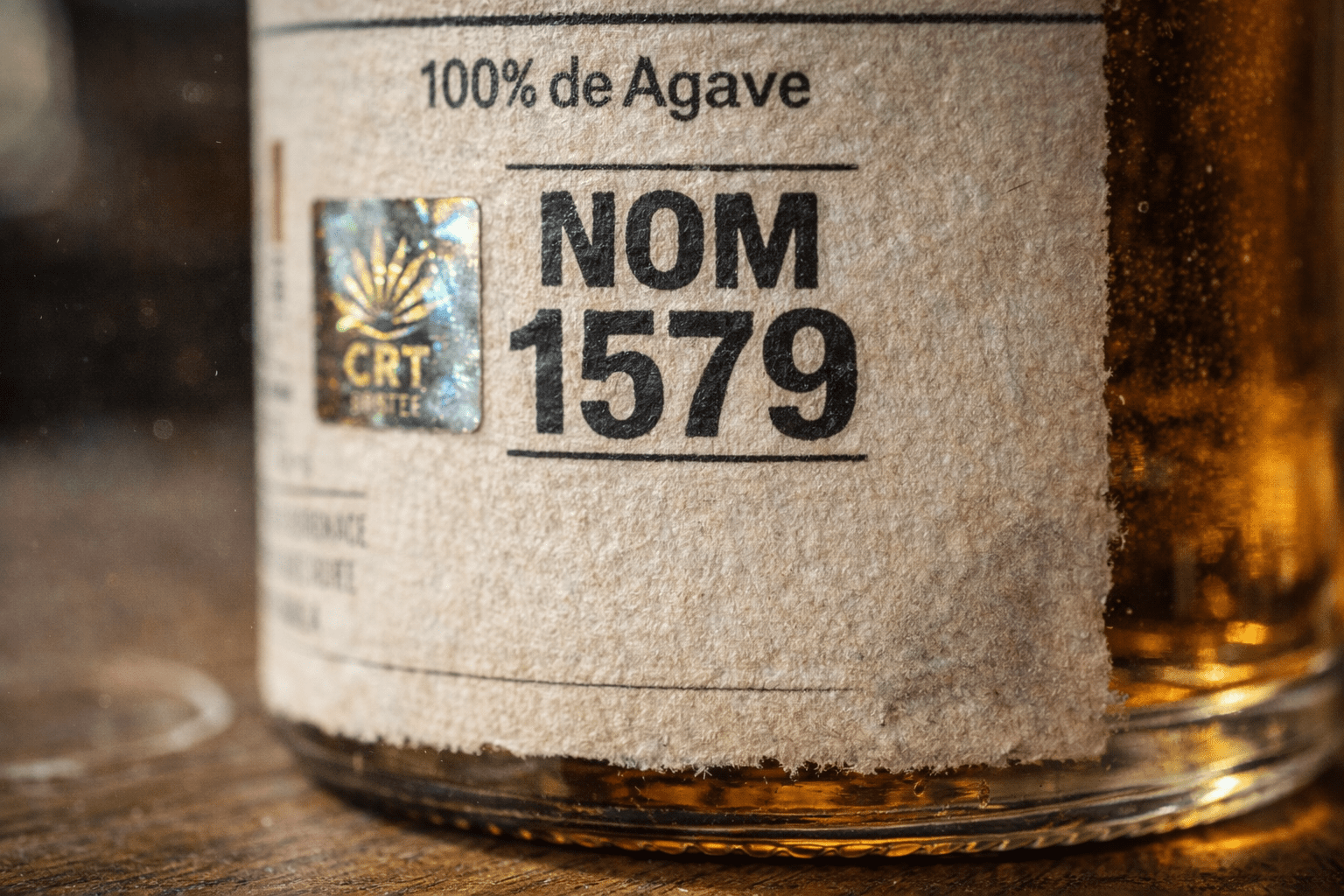
The NOM number identifies the authorized production facility. It is not a quality score, a certificate of old-fashioned production, or proof that an expression is free of additives. More than one brand can be associated with the same facility, and their recipes and production arrangements may differ.
The lot code is useful for traceability, recalls, and producer-specific questions. It is not, on its own, a map of every tank, still run, or barrel that contributed liquid.
For a closer explanation of those markings, read DOC Agave’s guide to tequila labels and NOM numbers. It is the natural companion to this article, rather than a substitute for asking the batch question.
Why Production Method Matters More Than the Phrase
Batch size might influence a producer’s workflow. Smaller vessels can give a distiller a different way to manage fermentation conditions and separate production runs. But size alone does not tell you whether those conditions were handled well.
The actual questions are more useful. Was the agave mature and properly prepared? How was it cooked? How were the sugars extracted? What fermentation vessels and yeasts were used? How was the spirit distilled, and were separate distillation runs blended afterward?
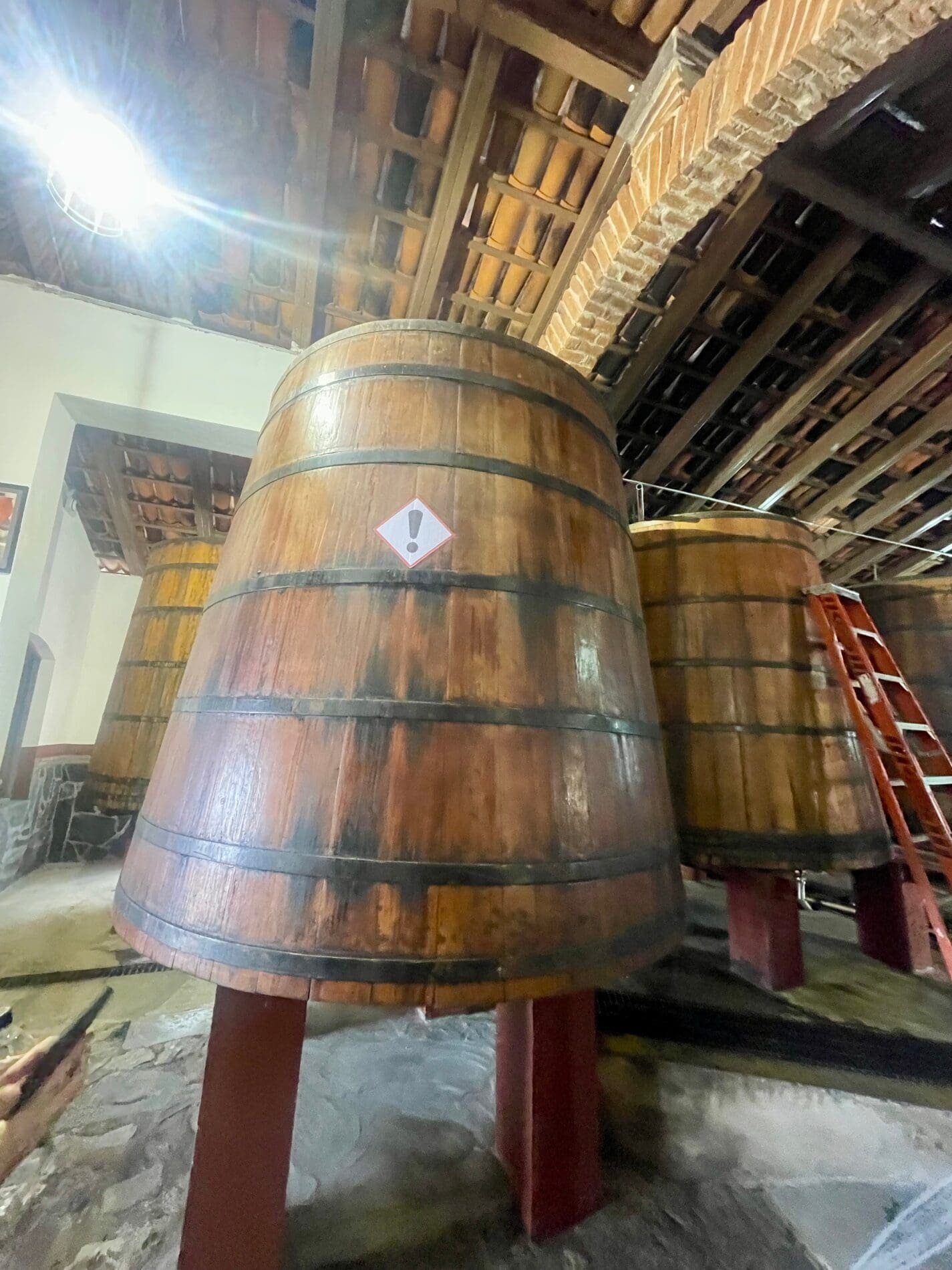
Consider fermentation. The choice of vessel, temperature control, yeast and time can shape the resulting spirit. A small tank is not automatically better than a large one, just as traditional-looking equipment does not guarantee careful operation. To explore why the technology and method matter, see DOC Agave’s comparison of diffuser and traditional tequila production.
Some producers do publish concrete details. For example, Tequila Cascahuín states that each production lot of its Plata expression does not exceed 2,500 liters. That is a more testable statement than an undefined claim of exclusivity. It is an example of published producer information, not proof that a particular volume is the threshold for “small batch” across the industry.
The distinction is transparency. A producer explaining equipment, quantities and processes is giving readers information they can evaluate. A producer offering only a romantic phrase is giving them an impression.
Does Single-Batch Tequila Guarantee Better Quality or No Additives?
No to both.
A single-batch production approach may be compatible with careful work, but it cannot independently certify the spirit’s sensory quality. Quality depends on multiple choices throughout agave cultivation, processing, fermentation, distillation, maturation and storage. A relatively small run can be poorly made; a larger, consistently controlled run can be well made.
The additive question is separate. Mexico’s tequila standard addresses permitted processing and formulations, including certain abocado ingredients under defined conditions. Whether a specific expression has additives needs supporting evidence about that expression and its production, not a conclusion drawn from batch wording.
Even 100% de agave tells you the source of the fermentable sugars under the tequila category rules, not by itself everything about every subsequent production practice. A NOM number confirms the registered producer, not a universal no-additives designation.
For more context on production transparency rather than marketing shorthand, DOC Agave’s What Is Real Tequila? explores the broader questions behind authenticity.
Six Questions Worth Asking a Tequila Producer
A meaningful single-batch or small-batch claim should be capable of a straightforward explanation.
- What exactly is one batch? Does it refer to cooked agave, a fermentation vessel, distillation output, barrel filling, or a bottling run?
- How large is it? Is there a documented volume range or maximum number of liters?
- Is liquid from different production runs combined? If so, when and why?
- How is the batch traced? Can the producer relate a disclosed production run to the lot code marked on the bottle?
- Which methods produced it? Can the maker explain agave cooking, extraction, fermentation, distillation and, when relevant, aging?
- What supports claims about ingredients or additives? Is there clear, expression-specific documentation rather than an inference from the words “small batch”?
No single answer substitutes for all the others. But together, these questions turn a label phrase into a conversation about real production.
What a Trustworthy Single-Batch Story Looks Like
Picture two hypothetical labels. One promises “ultra-premium small batch” but gives no number, no process explanation and no clear production boundary. The other tells you the production facility, the definition of the batch, the approximate size, and how the liquid was managed before bottling.
The second story is more informative even if it does not make a dramatic quality promise. It gives a curious reader somewhere to begin checking.
That is particularly important because “small” is relative. A number that seems modest for one distillery could be substantial for another. Asking for the actual figure is more useful than debating a universal cutoff that the official tequila classifications do not establish.
For a consumer learning about agave spirits, authenticity means being able to separate what is required on the label, what the producer voluntarily discloses, and what the marketing asks you to believe.
Frequently Asked Questions
What does single-batch tequila mean, and is it an official Mexican tequila designation?
Single-batch tequila usually suggests that a particular expression is connected to one defined production run. But producers may define that run differently. It is not one of the official categories or classes in NOM-006-SCFI-2012. The required lot code on a bottle identifies bottled product for traceability; it does not automatically certify single-run production.
Does single-batch or small-batch tequila automatically mean higher quality or additive-free production?
No. Neither phrase is an automatic guarantee of quality or additive-free methods. Batch size offers only one limited piece of production context. Better evidence comes from documented processes, transparent sourcing, a clear description of ingredients and reliable records that apply to the actual expression.
What is the difference between small-batch and single-barrel tequila?
Small batch generally refers to a producer-defined production quantity. Single barrel normally means an aged spirit associated with one specific barrel rather than multiple barrels blended together. Neither tells you everything about the original fermentation, the original distillation, or every step after it.
How can I verify a tequila’s batch number?
Start by finding the lot identification and NOM producer number on the bottle’s label. Use the official label requirements to understand what those fields mean, then ask the producer how its internal batch records relate to that lot. Do not assume that two similar-looking numbers mean the same thing.
The Bottom Line
The truth about single-batch tequila is less romantic and more valuable than a slogan. The phrase may describe a real way of working, but it is only as useful as the records and explanation behind it.
Careful producers should be able to explain what their batch boundaries mean, which production methods they used, and what evidence supports the story. Consumers and hospitality professionals should ask those questions before treating “small batch” as a synonym for superior tequila.
About the author: Marcus Guiliano is an award-winning chef, hospitality entrepreneur and founder of DOC Agave. His education work focuses on agave production, responsible hospitality and greater transparency around the stories behind spirits.
This article is educational and intended for adults of legal drinking age. It does not recommend alcohol purchases or make medical claims.