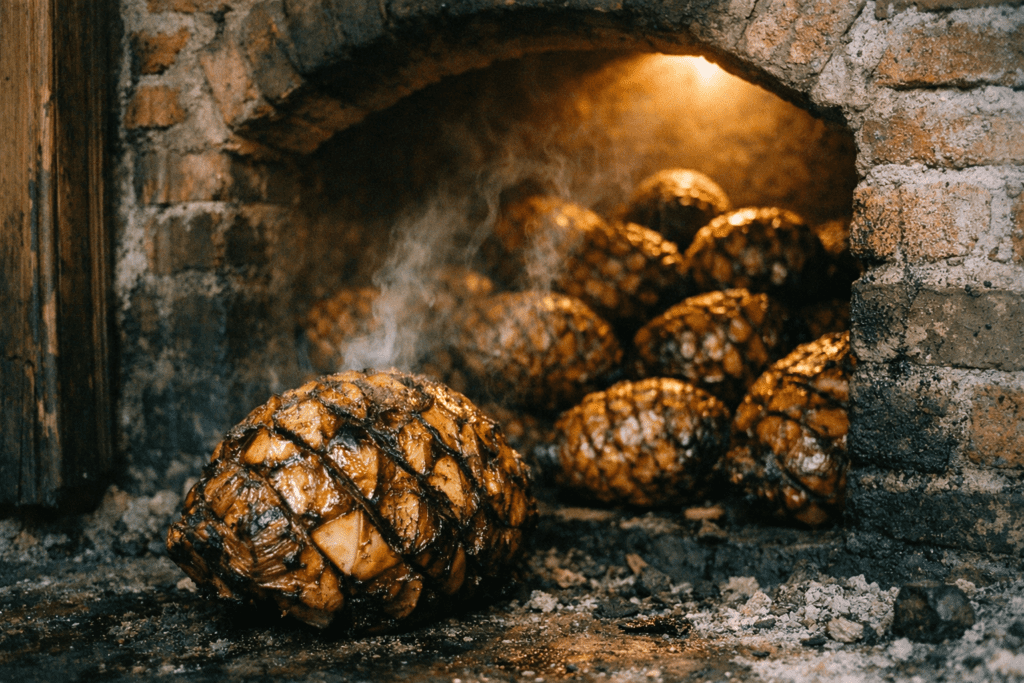
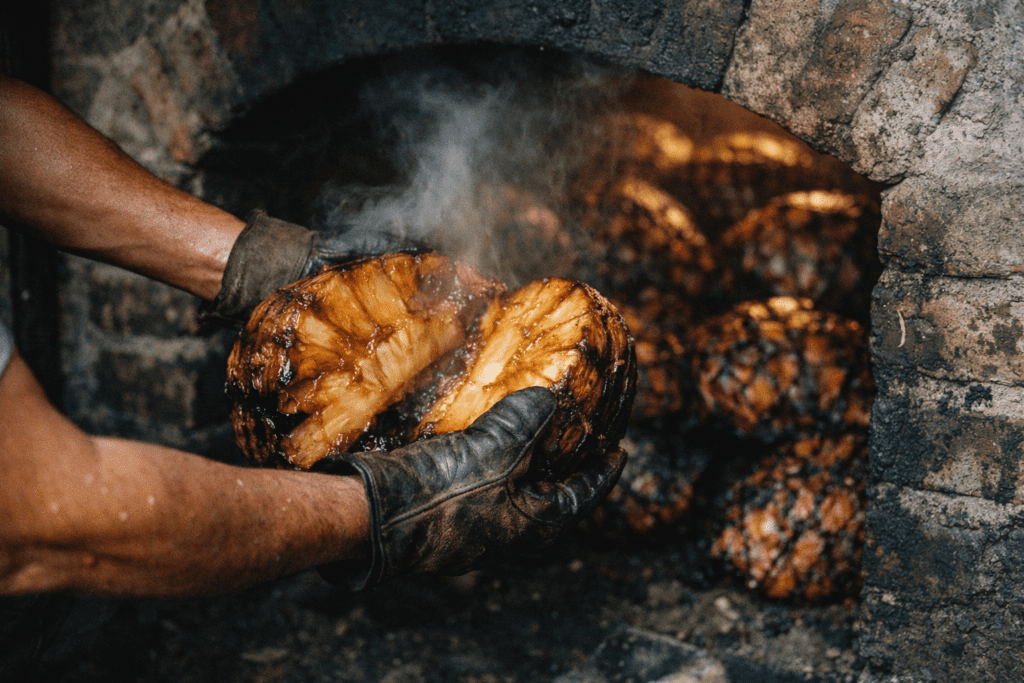
I stood inside a brick horno (traditional stone oven) in Jalisco, watching agave piñas (the plant’s heart) roast for 72 hours. The smell hit me first. Caramel, roasted squash, wet earth after rain. That same afternoon, I visited a facility three miles down the road. Raw agave went in one end of a steel machine. A thin, almost odorless liquid came out the other. Two diffuser tequila products from the same valley. One tasted like the land it came from. The other tasted like nothing at all.
Most people have never compared the two side by side. Most people don’t know they should. Diffuser tequila now fills a large share of shelves worldwide. Labels won’t tell you how it was made. The bottles look identical. The prices sometimes match. The flavor gap between traditional tequila production and diffuser-made spirits is massive.
This is not a process debate. It’s a flavor debate. Here’s what gets stripped away, why it matters, and how to protect your palate before your next purchase.
What Is Diffuser Tequila? The Machine Behind the Label
A diffuser is an industrial extraction machine. It is a piece of tequila distillery equipment that shreds raw agave and blasts the pieces with hot water, acid, or enzymes. The goal: pull out sugars as fast as possible. Some facilities add a short autoclave step after extraction. Many skip cooking entirely.
Key Takeaway: The tequila diffuser process removes sugar from raw agave without the slow cooking that creates flavor. No cooking means no Maillard reaction, no caramel, no complexity.
Key Takeaway: The tequila diffuser process removes sugar from raw agave without the slow cooking that creates flavor. No cooking means no Maillard reaction, no caramel, no complexity.
Traditional methods work in the opposite direction. A brick horno or autoclave (pressurized steam cooker) cooks the piña first. Heat converts raw starches into sugars over hours or days. That slow conversion triggers the Maillard reaction. The same chemistry that browns bread crust and turns onions sweet. It builds the roasted sweetness, mineral depth, and earthy complexity that define real agave flavor.
I’ve walked through hornos where the walls are black from decades of roasting. The air tastes sweet. Standing next to a diffuser is different. The room smells like wet cardboard and sulfur. No warmth. No sweetness. Just industrial efficiency doing its job.
Horno vs Autoclave vs Diffuser Tequila: Three Methods Compared
Not all agave cooking methods are equal. Here’s how the three main approaches differ.
| Factor | Brick Horno | Autoclave | Diffuser |
|---|---|---|---|
| Cooking method | Slow-baked (24–72 hrs) | Steam pressure (8–14 hrs) | Raw extraction, no cook or post-cook |
| Flavor result | Rich, caramelized, complex | Clean, slightly sweet | Neutral, thin, often harsh |
| Speed | Slow | Moderate | Very fast |
| Sugar extraction | Heat conversion | Heat conversion | Chemical or enzyme-based |
| Typical use | Craft and heritage brands | Mid-range quality brands | Mass-market and celebrity brands |
Key Takeaway: Autoclave is not the enemy. It can produce excellent horno tequila alternatives with real agave character. The real issue is diffusers removing agave identity entirely.
Key Takeaway: Autoclave is not the enemy. It can produce excellent horno tequila alternatives with real agave character. The real issue is diffusers removing agave identity entirely.
I’ve tasted outstanding autoclave blancos. Clean, bright, with clear agave presence. The autoclave simply speeds up what a horno does slowly. A diffuser does something fundamentally different. It skips the step that creates flavor in the first place.
What Diffuser Made Tequila Actually Tastes Like
Here’s what I noticed during a blind tasting at a distillery outside Arandas in Jalisco. Two blancos, same valley, same harvest year. One from a brick horno. One diffuser made tequila from a facility nearby.
The horno blanco had cooked agave sweetness on the nose. Pepper, wet stone, a hint of citrus. It coated the tongue and finished long. The diffuser version smelled like rubbing alcohol with a faint plant-like note. Thin on the palate. Gone in seconds. I call this the “ghost agave” problem. The plant is technically there. The soul of it is missing.
Key Takeaway: When the base spirit lacks flavor, producers often add thickeners for body, oak extract for color, and caramel for sweetness. Additives follow diffusers because the tequila flavor profile needs artificial help.
Key Takeaway: When the base spirit lacks flavor, producers often add thickeners for body, oak extract for color, and caramel for sweetness. Additives follow diffusers because the tequila flavor profile needs artificial help.
This is why I created the 3-Step Tasting Protocol at DOC Agave:
- Nose it at room temperature. Real agave shows cooked sweetness. Not just alcohol burn
- Sip neat, no ice. Look for body, texture, and how long the finish lasts
- Check the NOM. Cross-reference with Tequila Matchmaker to see the distillery’s production method
If the nose is flat and the finish disappears, you’re likely tasting diffuser tequila dressed up as craft tequila vs industrial tequila. The difference is the cooking.
How to Tell If Your Tequila Is Diffuser-Made
No label in Mexico has to show its production method. That’s the core transparency problem. The Consejo Regulador del Tequila (CRT) certifies that a product meets the legal definition. “Legal” and “traditional” are not the same thing.
So how do you spot the real tequila vs fake tequila on shelves?
Key Takeaway: Price alone tells you nothing. Some $80 celebrity bottles use diffusers. Some $35 craft bottles use brick hornos. NOM number verification through Tequila Matchmaker is the fastest way to check.
Key Takeaway: Price alone tells you nothing. Some $80 celebrity bottles use diffusers. Some $35 craft bottles use brick hornos. NOM number verification through Tequila Matchmaker is the fastest way to check.
Three tools I use every time:
- Tequila Matchmaker App. Type in the NOM number from any bottle. The app shows which distillery made it, what equipment they use, and whether they’re known for diffuser production
- Brand transparency signals. Brands that openly discuss their horno or autoclave process on their website are usually the real deal. Silence about production method is a red flag
- Additive-free lists. Look for verified additive-free certifications. Verify them independently. “Small batch” on a label means nothing legally
Watch for multiple brands sharing the same NOM with wildly different price points. That’s often one distillery running a diffuser line alongside a traditional one. The Highlands vs Lowlands Tequila guide on DOC Agave breaks down how region and production method interact.
The Industry Argument: Why Diffusers Exist
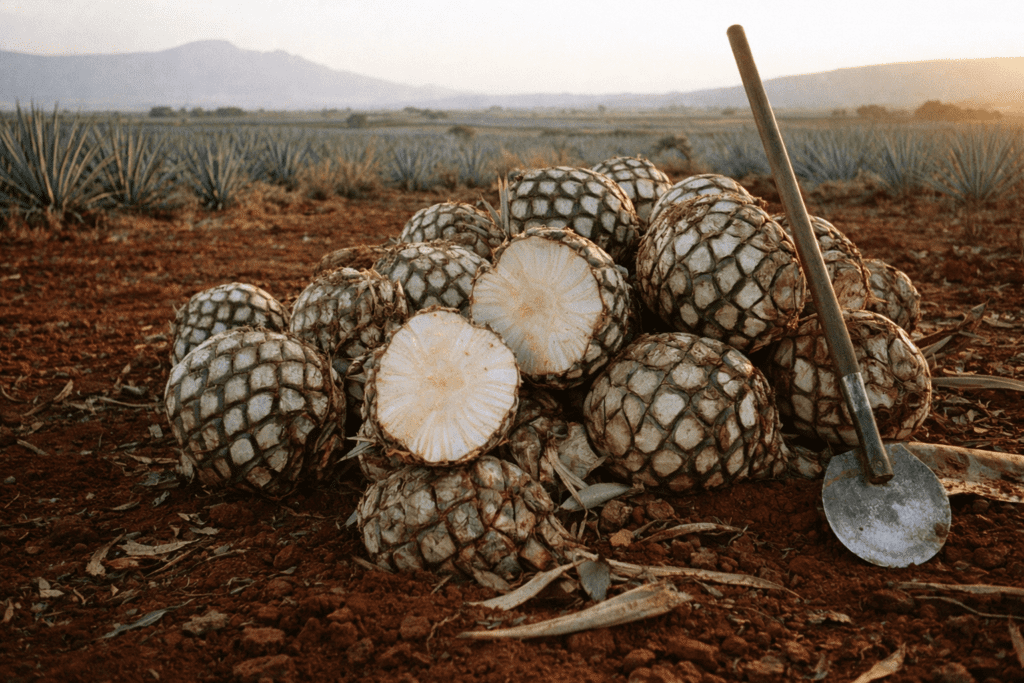
I’m not going to pretend diffusers serve no purpose. Global tequila demand has grown faster than agave can mature. A single blue weber agave plant takes 7 to 10 years to reach harvest. Diffusers extract more sugar per piña. They reduce waste. They keep prices accessible for millions of consumers.
Key Takeaway: Diffusers exist because demand outgrows supply. The problem is not the machine itself. The problem is selling diffuser tequila at craft prices without telling buyers.
Key Takeaway: Diffusers exist because demand outgrows supply. The problem is not the machine itself. The problem is selling diffuser tequila at craft prices without telling buyers.
My position is straightforward. A $60 bottle made with a diffuser should not sit next to a $40 bottle made in a brick horno and carry the same marketing language. Consumers deserve to know what they’re paying for. The CRT could fix this with a single labeling rule. They haven’t.
Until that changes, education is the only defense. That’s why I built DOC Agave for DOC Agave tequila education, and why I keep visiting distilleries. My Jalisco distillery experience spans twelve trips so far, plus Oaxaca. I plan to keep going.
Brands That Do It Right: Traditional Production Worth Seeking Out
These are brands I’ve tasted firsthand during distillery visits. Every one uses horno or autoclave. Every one is verified additive-free. I have no financial relationship with any of them.
- Cascahuín (NOM 1123, El Arenal, Jalisco). Brick horno, tahona crush, open-air fermentation. One of the most expressive blancos I’ve tasted. Pure roasted agave
- Fortaleza (NOM 1493, Tequila, Jalisco). Brick horno, tahona, copper pot still. Consistently excellent. A benchmark for what traditional tequila production should taste like
- Pasote (NOM 1579, Jesus María, Jalisco). Horno-cooked, roller mill, stainless pot still. Bright citrus and cooked agave. Clean and honest
- Terralta (NOM 1579, Jesus María, Jalisco). Same distillery as Pasote but a different expression. Richer, more mineral-forward
- G4 (NOM 1579, Jesus María, Jalisco). Felipe Camarena’s line. Horno, tahona option, deep agave flavor with highland sweetness
Key Takeaway: The best tequila brands are transparent about their process. They name their distillery, show their NOM, and welcome visitors. The full list lives on the DOC Agave Top Tequila Distilleries Guide.
Key Takeaway: The best tequila brands are transparent about their process. They name their distillery, show their NOM, and welcome visitors. The full list lives on the DOC Agave Top Tequila Distilleries Guide.
Your Next Step: How to Start Tasting With Intention
You don’t need a flight to Mexico to start. Pick up two blancos this week. One from the list above. One from a brand you’ve never checked the NOM on. Taste them side by side at room temperature. No lime. No salt. No mixer.
Notice the nose first. Then the body. Then how long the finish stays. Write down what you find.
If you want to go deeper, the DOC Agave Tequila Masterclass covers every step from agave field to glass. I also lead distillery tours through Jalisco where you can see hornos, autoclaves, and yes, diffusers in person. There is no substitute for standing in the room where your tequila was made.
The tequila aging barrels guide on DOC Agave explains how barrel selection adds another layer after production. Aging cannot fix what a diffuser removes. The foundation matters most.
The Honest Glass
The best tequila I’ve ever tasted was not the most expensive bottle in the room. It was the most honest one. A brick-oven blanco from a family distillery that has been doing the same thing for four generations. No additives. No shortcuts. No apologies.
Diffuser tequila is not going away. The economics are too strong. You can still choose differently. Check the NOM. Use Tequila Matchmaker. Trust what your palate tells you. And demand agave spirit integrity from your glass.
Chef Marcus Guiliano is the founder of DOC Agaveand author of The Doc Agave Tequila Masterclass. He has visited 12+ distilleries across Jalisco and Oaxaca, Mexico, and leads private tequila and agave spirits tours through VIP Winery Vacations.