
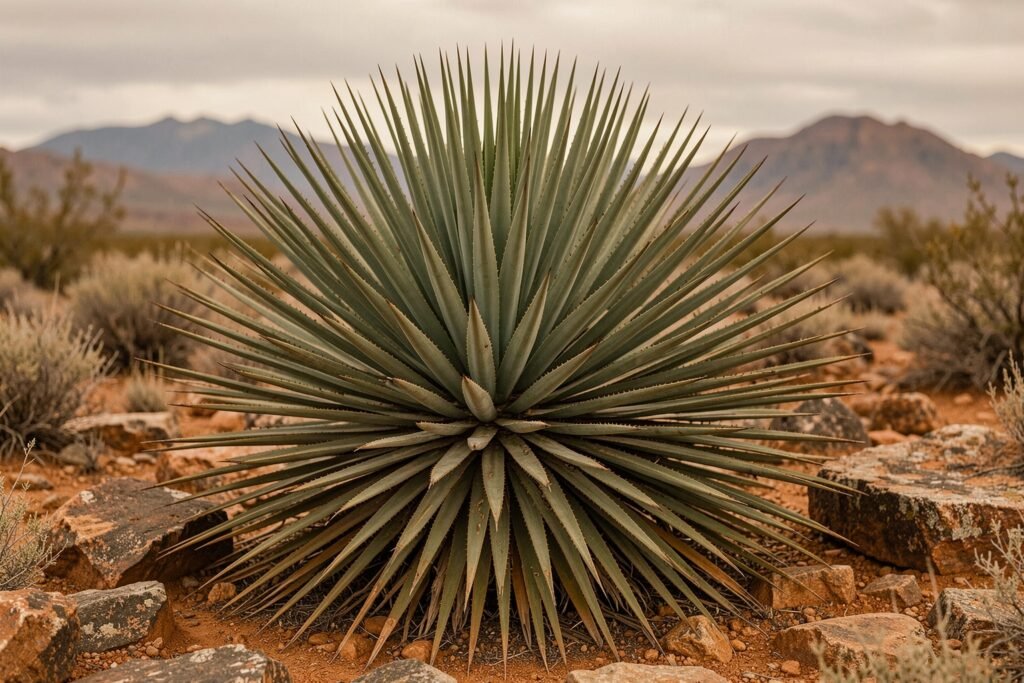
Sotol is a spirit from northern Mexico made from desert spoon plants in the genus Dasylirion. It is not tequila, and it is not a variety of mezcal. To understand what is sotol, start with the plant. Desert spoon can look like agave, but the two belong to different plant groups.
That distinction is more than trivia. Sotol has its own regional history, Mexican production standard, and protected name. Check where the plant grew. Ask how the producer handled it and which rules apply. A label saying “Mexican spirit” does not answer those questions.
Key Takeaway: Sotol is a distinct desert spirit made from Dasylirion rather than agave. Start with the plant and Mexico's protected-origin states: Chihuahua, Coahuila, and Durango. Ask how the producer harvests, cooks, ferments, and distills it. Those choices can vary, so the name alone cannot guarantee a particular flavor or production style.
What is sotol made from?
Sotol is made from the central part of a Dasylirion plant, commonly known as desert spoon. They harvest its center, prepare it for fermentation, then distill the fermented liquid. That makes sotol botanically different from tequila and mezcal, which are made from agaves.
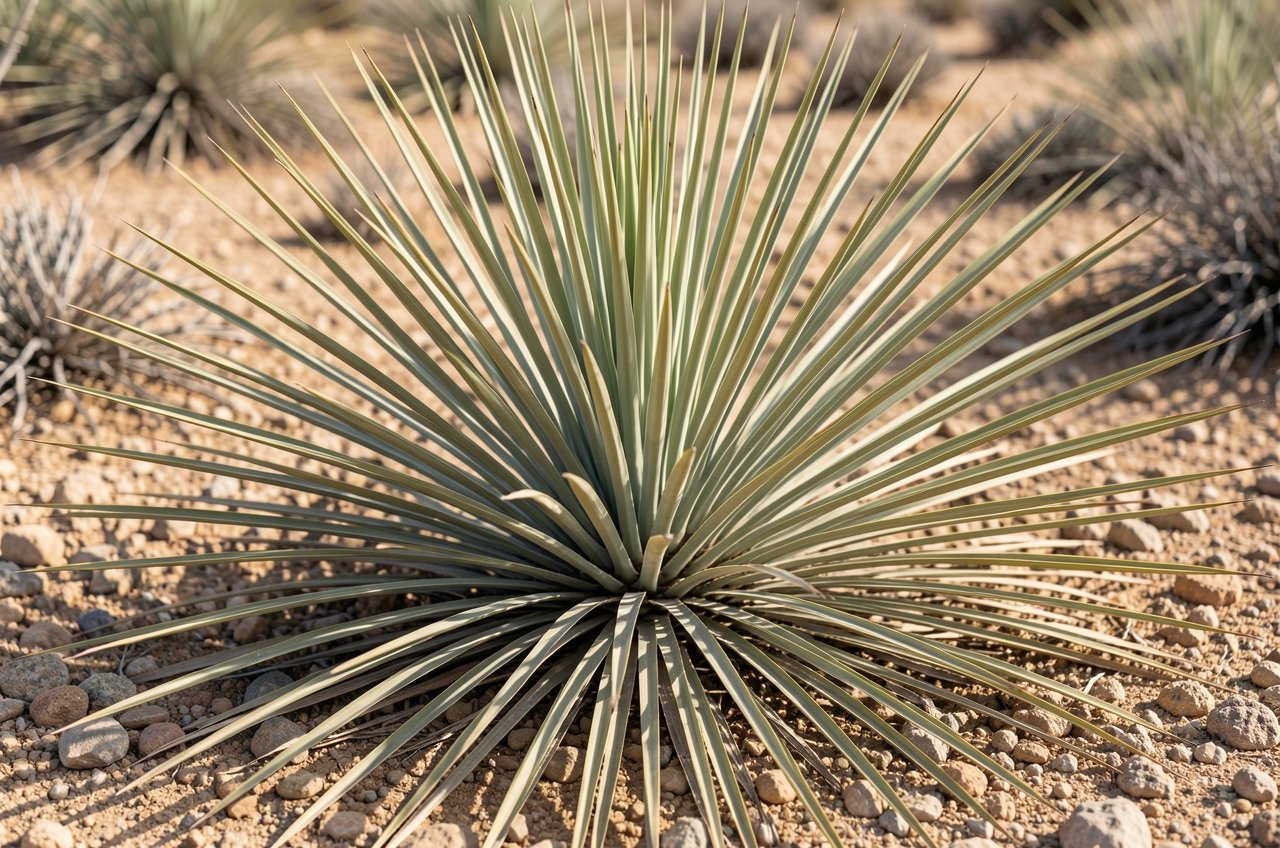
Desert spoon leaves fan outward from a center. Some plants grow a trunk. This shape can look like agave, but desert spoon is neither agave nor cactus. The distinction matters to producers.
Several Dasylirion species occur across arid areas of northern Mexico and the southwestern United States. The species and its origin matter when checking a producer’s claims. The Oxford Companion’s account of sotol explains the desert spoon source and production process.
Tradition and law are not the same. A producer may say that only desert spoon went into a spirit. Check the relevant standard before assuming all bottles follow one recipe. First identify the plant. Then check production and labeling.
Where does sotol come from in Mexico?
The Mexican sotol denomination of origin is associated with Chihuahua, Coahuila, and Durango. Desert spoon grows across dry land in these northern states. Protection covers the region and its rules, not just a plant name.
Mexico’s NOM-159-SCFI-2004 sotol standard sets out official specifications for the category. The World Intellectual Property Organization’s registration bulletin also documents the Mexican designation and its geographic scope. These sources help verify rules better than advertising or travel stories.
The broader Dasylirion plant range does not stop at a national boundary. Distillers outside the protected Mexican area may use related plants to make their own spirits, including in parts of the United States. That does not give those products the right to Mexico’s protected name. When a bottle says sotol, ask which country’s rules govern the name.
Place can influence the raw material, but it is not a simple flavor formula. Soil, rain, plant age, and local practices vary. Cooking, fermentation, and distillation also shape the spirit. A good account names the place and process. It does not promise that all spirits from one state taste alike.
How is sotol produced?
The process starts with the plant. Producers prepare its center, ferment its sugars, and distill the liquid. Yet makers vary their methods. No single village method defines every sotol.
Harvesting and preparing desert spoon
A producer begins with a suitable Dasylirion plant and harvests material from its center. Ask which species the producer uses. Ask when workers harvest it and how they protect the habitat. These choices affect the harvest and the land.
Workers separate the core from the leaves. They then process the core to free sugars for fermentation. Tools and yields vary. Do not guess details a producer has not shared.
Cooking, fermentation, and distillation
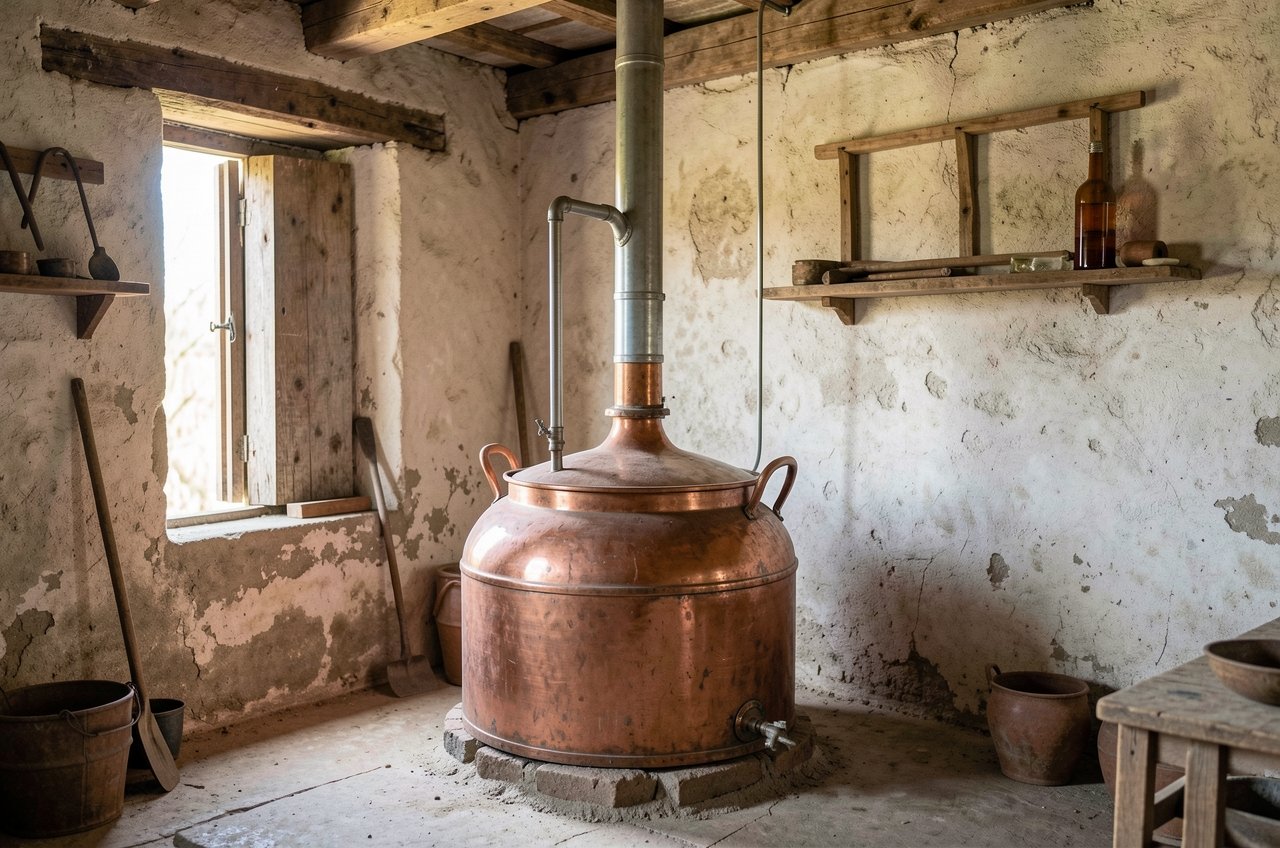
Heating the core can help release sugars. Makers prepare a mash, let microbes ferment its sugars, then distill the liquid. This step concentrates alcohol and some aromas. Equipment, heat, timing, and vessels all vary.
Some producers use pits, open fermentation, or copper stills. These methods do not define the whole category. An image of distilling gear cannot prove how a named producer works.
Still design matters, but so do the plant and fermentation. To compare two bottles, ask what the producer did. A region or still material cannot explain everything. Check claims against the rules. A good story alone is not proof.
How is sotol different from tequila and mezcal?
The biggest difference is the raw plant. Sotol comes from Dasylirion; tequila is made from blue Weber agave, while mezcal is made from permitted agave species under its own rules. All three have Mexican roots, but their plants and legal rules differ.
| Question | Sotol | Tequila | Mezcal |
|---|---|---|---|
| Main raw material | Dasylirion (desert spoon) | Blue Weber agave | Permitted agave species |
| Mexican protected production geography | Chihuahua, Coahuila, and Durango | Designated tequila areas, mainly Jalisco and other approved places | Designated mezcal territory under its own rules |
| Relevant category rules | Mexican sotol standard NOM-159 | Mexican tequila standard NOM-006 | Mexican mezcal standard NOM-070 |
| Common mistake | Calling it an agave spirit | Assuming all tequila production methods are alike | Treating all mezcal as one fixed cooking or flavor style |
If you already know Blue Weber agave, that is a useful comparison point: tequila begins with a particular agave, not with desert spoon. Mezcal also uses agave, though its permitted species and geographic regulations differ from tequila’s. Sotol belongs in the conversation because it offers another regional plant tradition, not because it is a subset of either spirit.
Production techniques sometimes overlap across categories, which can create confusion. Roasting, cooking, fermentation, and distillation are broad processes used for many spirits. DOC Agave’s guide to tequila production methods explains why process choices matter in tequila; it should not be read as evidence that sotol producers use those exact tequila methods.
The comparison works best with clear questions. What plant went into the fermenter? Where was the spirit produced? What rules were applied? Those facts tell you more than a broad statement that one Mexican spirit is stronger, smokier, or more authentic than another.
What does sotol taste like?
Descriptions of sotol often include herbal, earthy, grassy, or mineral-like impressions, but those words are tasting notes rather than chemical guarantees. Different plants, production decisions, and bottling styles can create different sensory results. There is no single flavor profile that every authentic sotol must deliver.
The phrase “desert terroir” can be a useful starting point when a producer explains it carefully. It is not a substitute for showing species, harvest region, fermentation, and distillation choices. A mineral-sounding note does not prove the liquid carried particular rock minerals through distillation, and a smoky note does not prove that every batch was pit-roasted.
Resting or aging decisions can also affect what a drinker encounters, where they are part of a producer’s practice and permitted labeling. Rather than choosing a bottle by a promised universal taste, read the maker’s description of that specific expression. The goal is to understand the evidence behind a sensory claim, not to turn tasting vocabulary into a pass-or-fail test of authenticity.
What should you ask a sotol producer?
Good producer questions should be specific enough to invite a verifiable answer. You do not need specialist equipment or a tasting résumé to begin; you need a clear distinction between what the brand says and what the production record can support.
- Which Dasylirion species is used, and where was it harvested? This connects the spirit to an identifiable plant and source.
- How are plants selected and harvested? Ask what the producer can say about maturity, sourcing, and habitat stewardship without presuming sustainability certification.
- How is the core cooked or processed? The answer gives context for the fermentable material and possible production variation.
- What happens during fermentation and distillation? Equipment, fermentation conditions, and production scale can make a more informative story than an undefined claim of being traditional.
- What official designation and label information apply? A Mexican protected-origin claim should be checked against relevant regulation and actual producer documentation.
Those questions are not a shopping checklist or a promise that one answer guarantees a better spirit. These questions help you check claims. For comparison, DOC Agave’s separate explanation of how to read a tequila label shows how label details can help research tequila; the tequila-specific system should not be mistaken for the sotol rules.
Does sotol have a sustainability challenge?
Any spirit produced from a slow-growing desert plant raises reasonable questions about sourcing and landscape management. Growth rates, wild collection, cultivation, harvest pressure, and local conditions can differ across species and production areas. You cannot call the whole category sustainable or harmful without evidence from individual producers.
Ask how the producer identifies harvest sites, works with landowners or communities, records plant collection, and avoids exhausting a local population. Claims about regeneration or conservation are stronger when they name a method and a source that can be checked. Avoid assuming that small-scale automatically means low-impact or that modern equipment always creates more waste.
The useful distinction is between a stated intention and an observed or documented practice. The same applies to cultural history. Give credit to actual communities and producers instead of repeating vague desert myths. Precision shows more respect than romantic language.
Common sotol myths worth clearing up
“Sotol is just another kind of tequila.” No. Tequila has specific blue-agave and geographic rules, while sotol starts with a different botanical group and has its own Mexican standard. Similar-looking plants do not make the resulting spirits legally identical.
“Sotol is a cactus spirit.” No. Desert spoon belongs to Dasylirion, not to the cactus family. Calling it cactus may sound descriptive, but it obscures the material that actually matters to the producer.
“Every sotol must taste smoky.” No. That claim skips over different preparation, fermentation, and distillation choices. One producer’s smoke note is not proof of the whole category’s flavor.
“If it was made from desert spoon, its protected origin is automatically established.” Not necessarily. Plant identity, production place, and applicable labeling rules are separate checks. A spirit made from the same type of raw plant in another jurisdiction does not automatically share Mexico’s protected geographical designation.
Why sotol deserves to be understood on its own terms
Sotol adds a distinct botanical and regional chapter to the wider story of Mexican spirits. It demonstrates why the source plant matters and why production traditions should be described through verifiable details. For a curious reader, the most useful knowledge is not a memorized tasting adjective but a set of questions about plant, place, method, and protection.
The next time you encounter the term, begin with four questions: Is the raw material Dasylirion? Where was the spirit produced? What process can the maker document? Which legal designation applies? That approach gives you a clearer understanding of sotol without confusing it with tequila or mezcal—and without asking you to take a marketing story on faith.